How Often Should You Water Succulents? Stop Following a Schedule
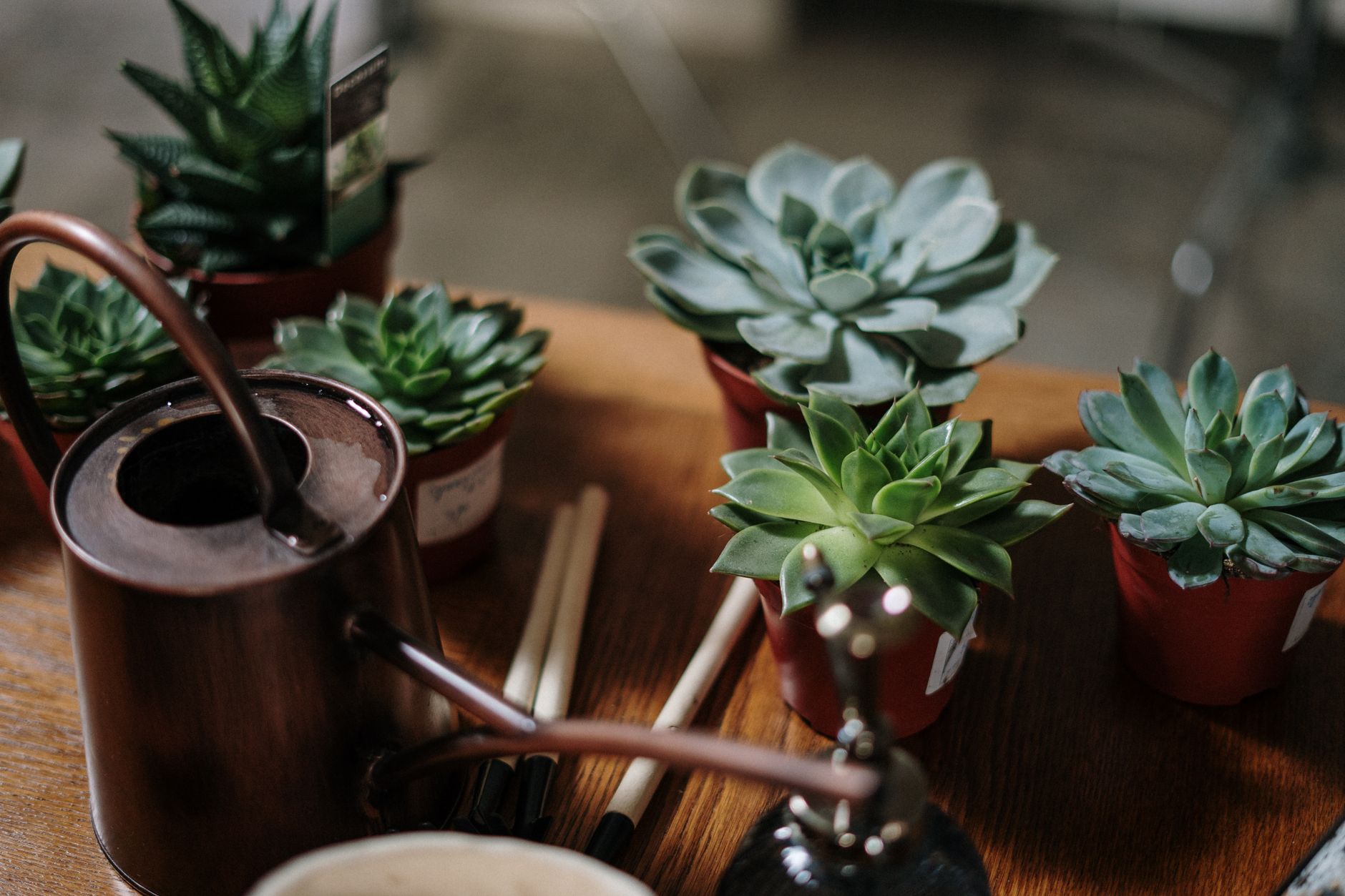
If you’ve ever Googled “how often to water succulents,” you’ve probably seen answers like “water once a week.” That advice is the fastest way to kill a succulent. Succulents store water in their leaves and rely on you to mimic natural dry-wet cycles. A rigid calendar doesn’t do that. Learn to read your plant’s cues and adjust based on its environment. The key is to observe your plant’s specific conditions rather than relying on generic rules.
Key Takeaways
- No universal watering schedule exists. Watering frequency depends on pot material, size, soil, light, temperature, and humidity. A weekly calendar ignores these variables and often causes root rot.
- Learn tactile and visual cues. Stick your finger an inch into the soil—water only when it’s dry. Watch for slight leaf wrinkling as a thirst signal. The pot weight method is also reliable.
- Adjust for indoor vs. outdoor conditions. Indoor succulents in low light may need water every 2–3 weeks, while outdoor plants in full sun can need it every 3–5 days. Always check soil first.
- Change watering with the seasons. Succulents need more water during active summer growth and much less during winter dormancy. Gradually transition between seasons.
- Avoid common watering mistakes. Overwatering is worse than underwatering. Don’t mist succulents, and water baby props very sparingly until roots establish.
There’s No One-Size-Fits-All Schedule: Factors That Affect Watering Frequency
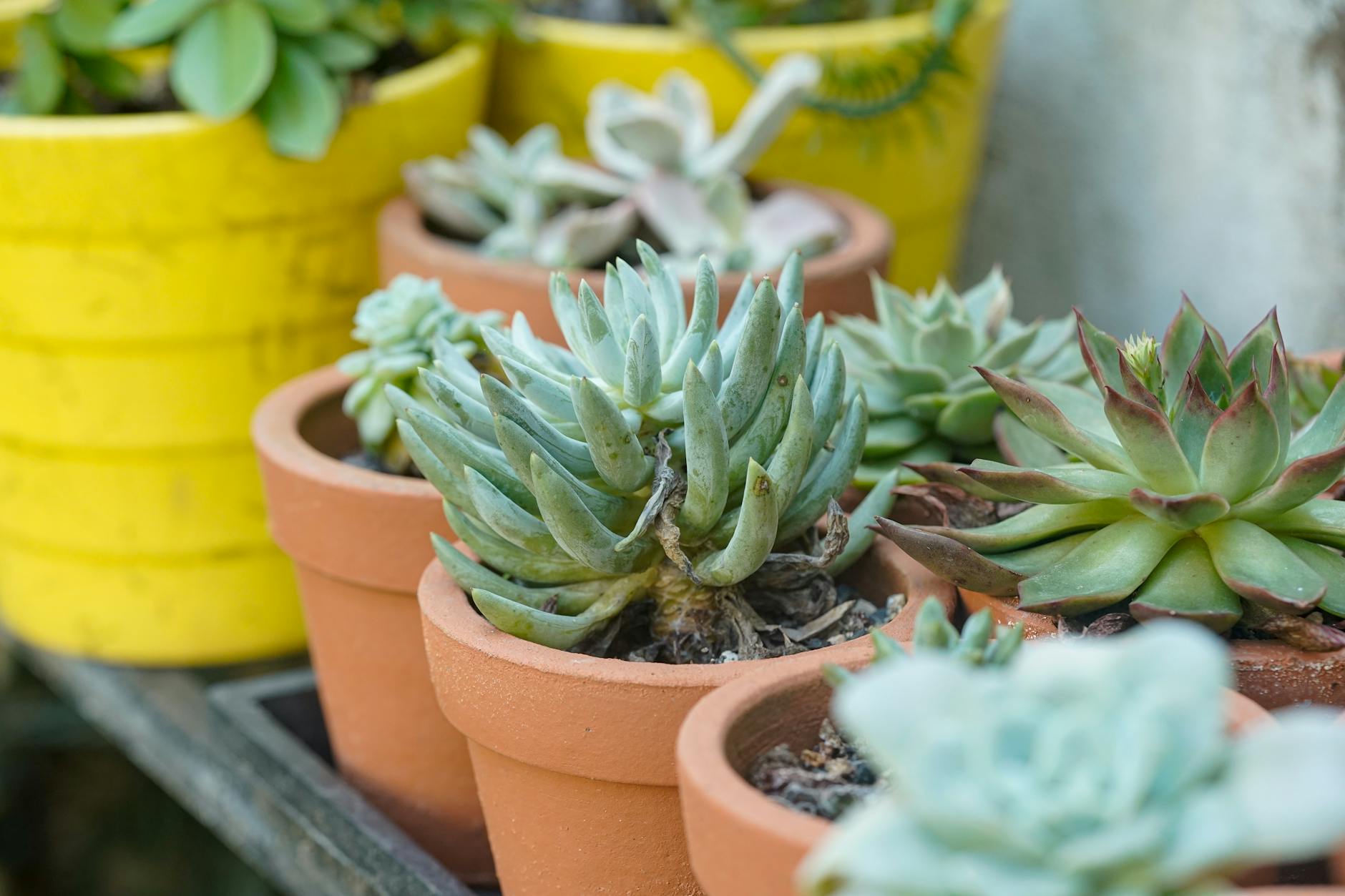
Watering frequency depends on pot type, soil, light, temperature, and humidity. Two identical succulents in different rooms can need water on completely different days. Even the same plant placed on a different windowsill may dry out at a different rate.
Why a Weekly Calendar Can Harm Your Succulents
A fixed schedule ignores that light, temperature, and soil drying speed change constantly. Watering on a strict calendar can soak soil that’s still damp, leading to root rot. Water only when the soil is fully dry. Additionally, succulents are adapted to survive drought; they prefer a thorough soak followed by a complete dry-out period. A calendar prevents this natural cycle from occurring.
How Pot Size, Material, and Drainage Change Watering Needs
Terracotta pots dry out faster than glazed ceramic or plastic because they are porous and wick moisture away. Small pots dry faster than large ones because they hold less soil and have a higher surface-to-volume ratio. Drainage holes are critical—without them, water pools at the bottom, suffocating roots. In non-draining containers, water very sparingly and use a spray bottle or tablespoon. Also, consider using a pot with a drainage saucer; water that collects in the saucer should be emptied to avoid wicking back up.
The Role of Light, Temperature, and Humidity
Bright, direct sunlight increases water use as the plant photosynthesizes and transpires more rapidly. A plant on a south-facing window sill might need water every five days in summer, while a north-facing plant could go two weeks. Warm rooms speed drying, while high humidity slows it. Air circulation also matters: a plant near a fan or open window dries faster than one in a still, stuffy corner. Check soil before watering, and adjust your schedule based on these environmental factors.
How Often to Water Succulents Indoors vs. Outdoors
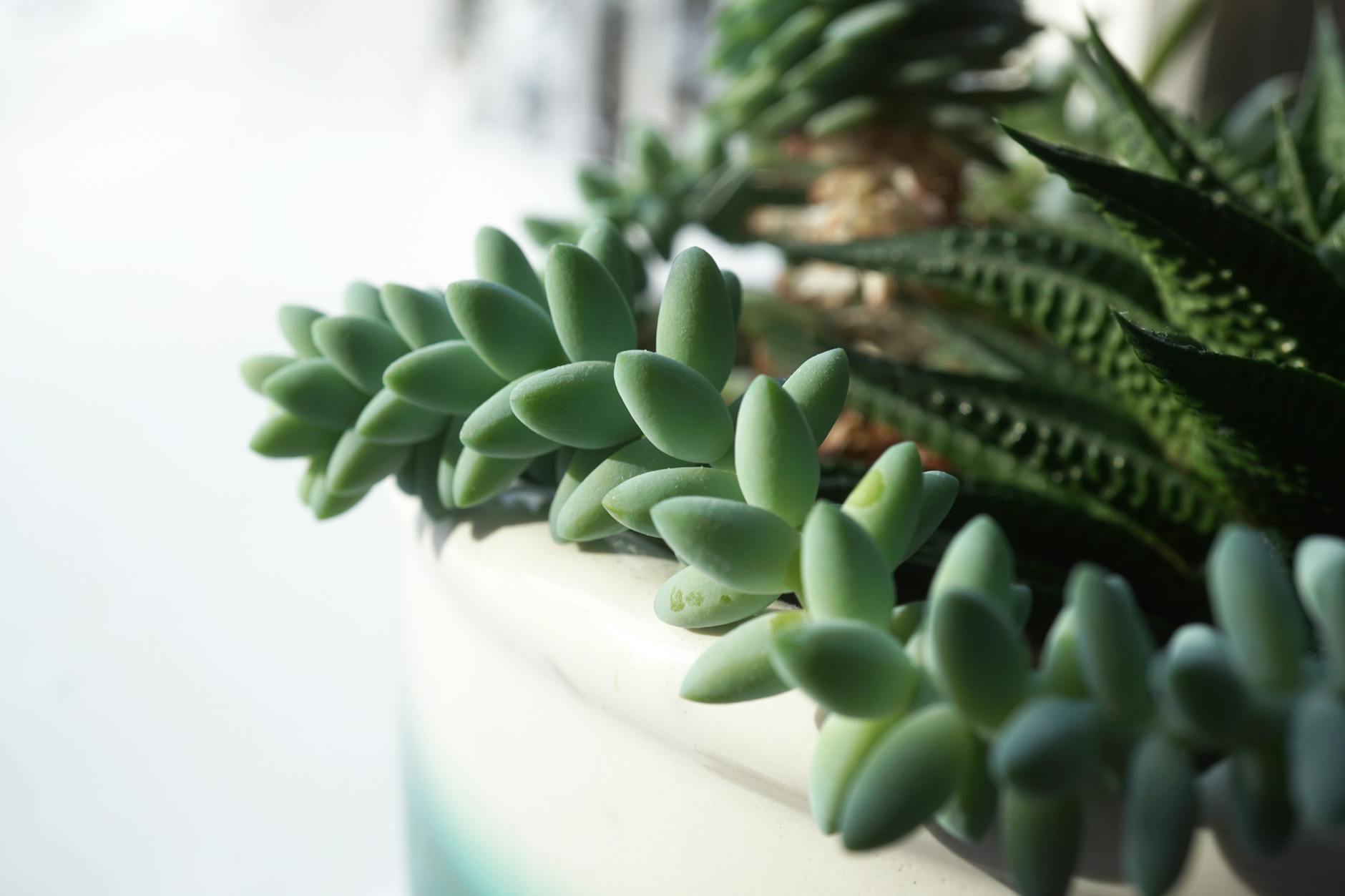
Indoor and outdoor conditions differ significantly. Both require adjusting your approach, but the differences can be dramatic.
Watering Indoor Succulents in Low Light and Air-Conditioned Rooms
Most indoor succulents get low light, slowing growth and water use. Soil stays damp for a long time. In these conditions, watering every two to three weeks is common—always check the soil first. Air conditioning can also reduce humidity, causing the soil to dry slightly faster, but overall the reduced light dominates. If your succulent is placed under grow lights, it may need more frequent water—every 5 to 10 days—depending on the intensity and duration of light.
Watering Outdoor Succulents in Hot, Dry, or Humid Climates
Outdoor succulents in full sun can need water every three to five days, sometimes daily during heat waves. In humid climates, they may need less frequent watering. If you get rain, skip watering until the soil dries again. Also, wind can accelerate drying, so succulents on a breezy balcony may need more frequent water than those in a sheltered spot. Consider the microclimate around your plant.
Watering Succulents in Pots Without Drainage Holes
Without drainage, water has nowhere to go. Water very sparingly—just enough to moisten the top few inches. Use a spray bottle or tablespoon, and wait until the soil is completely dry before watering again. Even better, use such pots as cachepots: keep the succulent in a plastic nursery pot with drainage, then place it inside the decorative container. This way you can water the inner pot freely and remove excess water from the cachepot after a few minutes.
Going on Vacation? How Long Can Succulents Go Without Water?
Most succulents can survive two to four weeks without water. Indoor plants in low light can go even longer. Before a trip, water well and move them out of direct sun. Give clear instructions to anyone helping: water only when the soil is completely dry. Alternatively, use self-watering stakes or wicking systems, but test them beforehand to avoid overwatering. For longer trips, consider grouping plants in a shaded area to reduce water loss.
How to Tell When Your Succulent Needs Water (Tactile and Visual Cues)
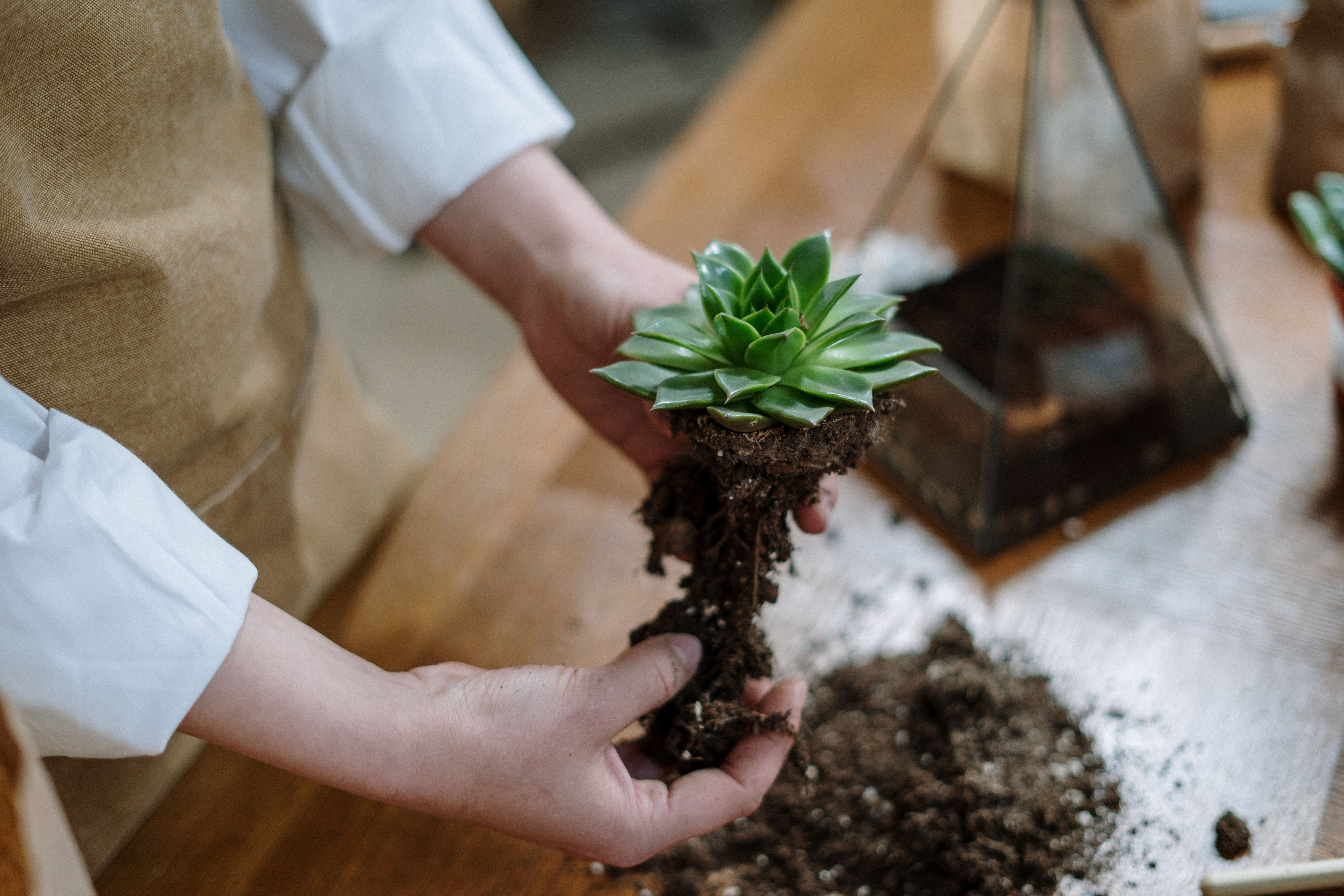
Your plant will tell you when it’s thirsty. Learn these cues and you’ll never guess again. Observing your succulent regularly is the best way to catch early thirst signals.
The Finger Test and Soil Moisture Checks
Stick your finger an inch into the soil. If it feels dry, water. If damp, wait. For deeper pots, use a wooden skewer. Don’t rely on the surface being dry; the soil underneath may still hold moisture. Another variation: poke a chopstick all the way to the bottom; if it comes out clean and dry, it’s time to water. If soil sticks to it, wait.
Leaf Signs: When to Water Based on Wrinkling and Shriveling
When succulents are low on water, leaves become less plump—slight wrinkling, softer feel, edges curling inward. This is a natural signal to water. Don’t water at the first sign, but don’t wait until leaves are fully shriveled. After watering, leaves should plump up within a day or two. Different species show thirst differently: for example, Echeveria leaves pucker, while Haworthia leaves may turn slightly translucent at the tips. Learn your specific plant’s normal appearance.
The Pot Weight Method and Other Reliable Techniques
Lift the pot after watering and note its weight. As soil dries, the pot gets lighter. With practice, you can tell by weight alone. A moisture meter works too, but the finger and weight methods are free and accurate. You can also use a bamboo skewer left in the soil: pull it out and check for dampness. The weight method is especially useful for large pots where a finger cannot reach deep.
Seasonal Watering: Adjusting Frequency for Summer Growth and Winter Dormancy
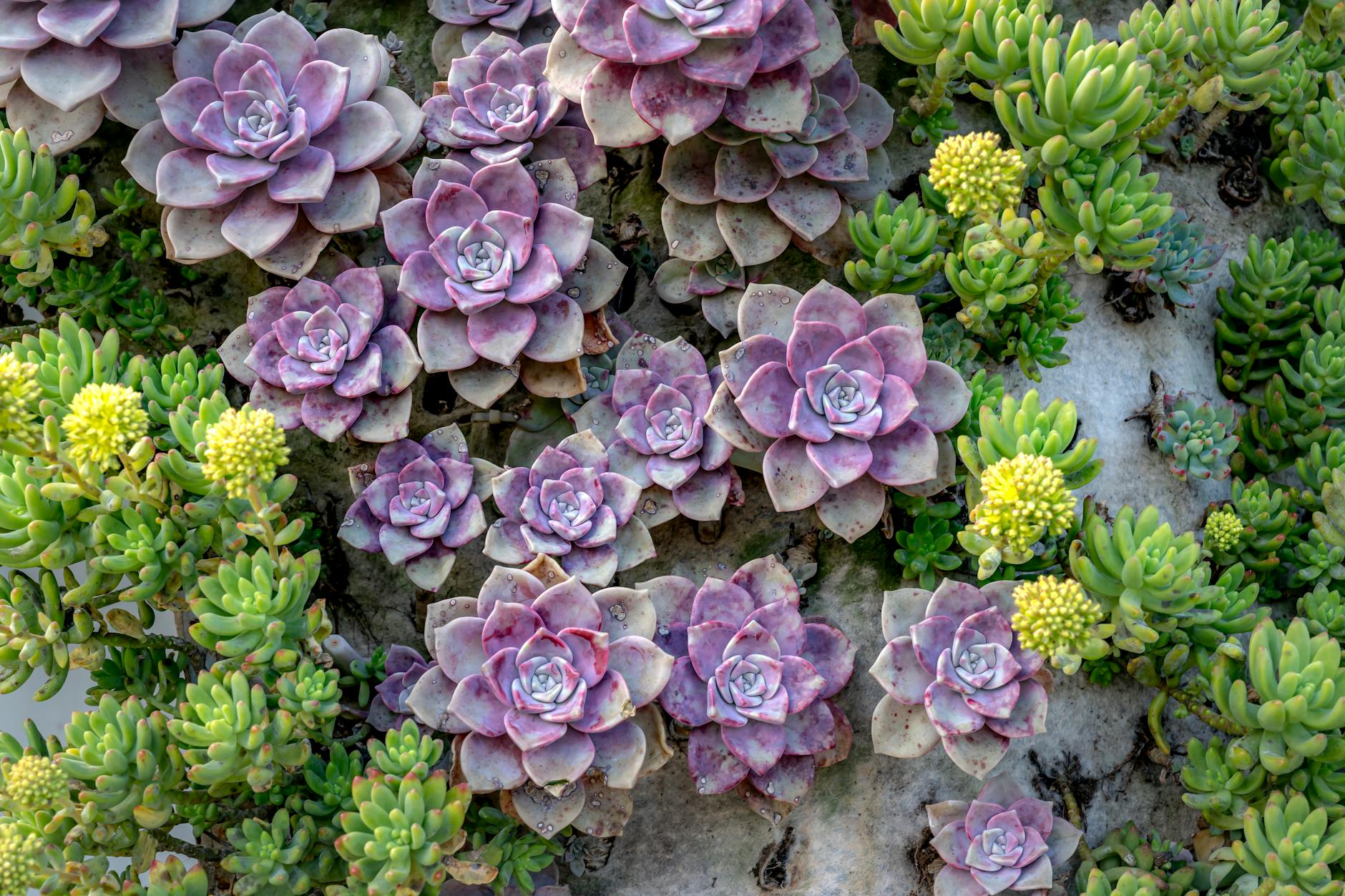
Succulents’ watering needs shift with the seasons. Understanding these cycles helps you avoid overwatering during rest periods.
Watering Succulents More Often in Active Summer Growth
During warmer months, succulents grow actively and use more water. Increase frequency—many need water every five to ten days indoors in good light. Outdoor plants may need water every three to four days. However, be mindful of heatwaves: extremely high temperatures can cause plants to go into a semi-dormant state, so even though it’s hot, watering too much can still cause rot. Stick to the “dry soil” rule.
Cutting Back Water in Winter Dormancy (But Not Stopping Completely)
In winter, lower light and cooler temperatures slow metabolism. Succulents stop growing and use very little water. Watering every three to four weeks is often enough. Don’t stop entirely—occasional water prevents roots from drying out. Wait until soil is bone dry and leaves show slight wrinkling. Some species, like Lithops and Conophytum, have specific winter dormancy needs and may require no water at all for several months. Research your specific plant.
Transitioning Between Seasons Without Shocking Your Plant
As spring approaches, gradually increase how often you check the soil. In fall, let the soil stay dry a little longer. Let plant cues guide you rather than a calendar. A sudden increase in watering frequency when temperatures warm can cause root rot if the roots have not yet become active. Likewise, a sudden cutback in fall may leave the plant too dry heading into winter. Make changes over a few weeks.
Common Watering Mistakes and How to Rescue Your Succulent
Overwatering vs. Underwatering: How to Tell the Difference
| Sign | Overwatered | Underwatered |
|---|---|---|
| Leaf texture | Soft, mushy, translucent | Shriveled, thin, crispy |
| Color | Yellow or brown from bottom up | Dull, pale, brown crispy tips |
| Soil condition | Wet over a week, musty smell | Dry, pulls away from pot |
| Recovery method | Remove rotted roots, repot in dry soil, wait a week | Water thoroughly; leaves plump in days |
If unsure, err on the side of underwatering. Overwatered plants are harder to save because rot can spread quickly. With underwatering, most succulents recover fully within a few days.
Why Misting Is Usually a Bad Idea for Succulents
Succulents take in water through roots, not leaves. Misting only wets the surface, encouraging shallow roots and potential rot. Always water the soil directly. Additionally, misting can cause water to sit in leaf crevices, leading to fungal infections or sunburn when light hits water droplets. If you want to increase humidity for a plant that likes it (like some tropical succulents), use a pebble tray instead.
Watering Succulent Props and Baby Plants Correctly
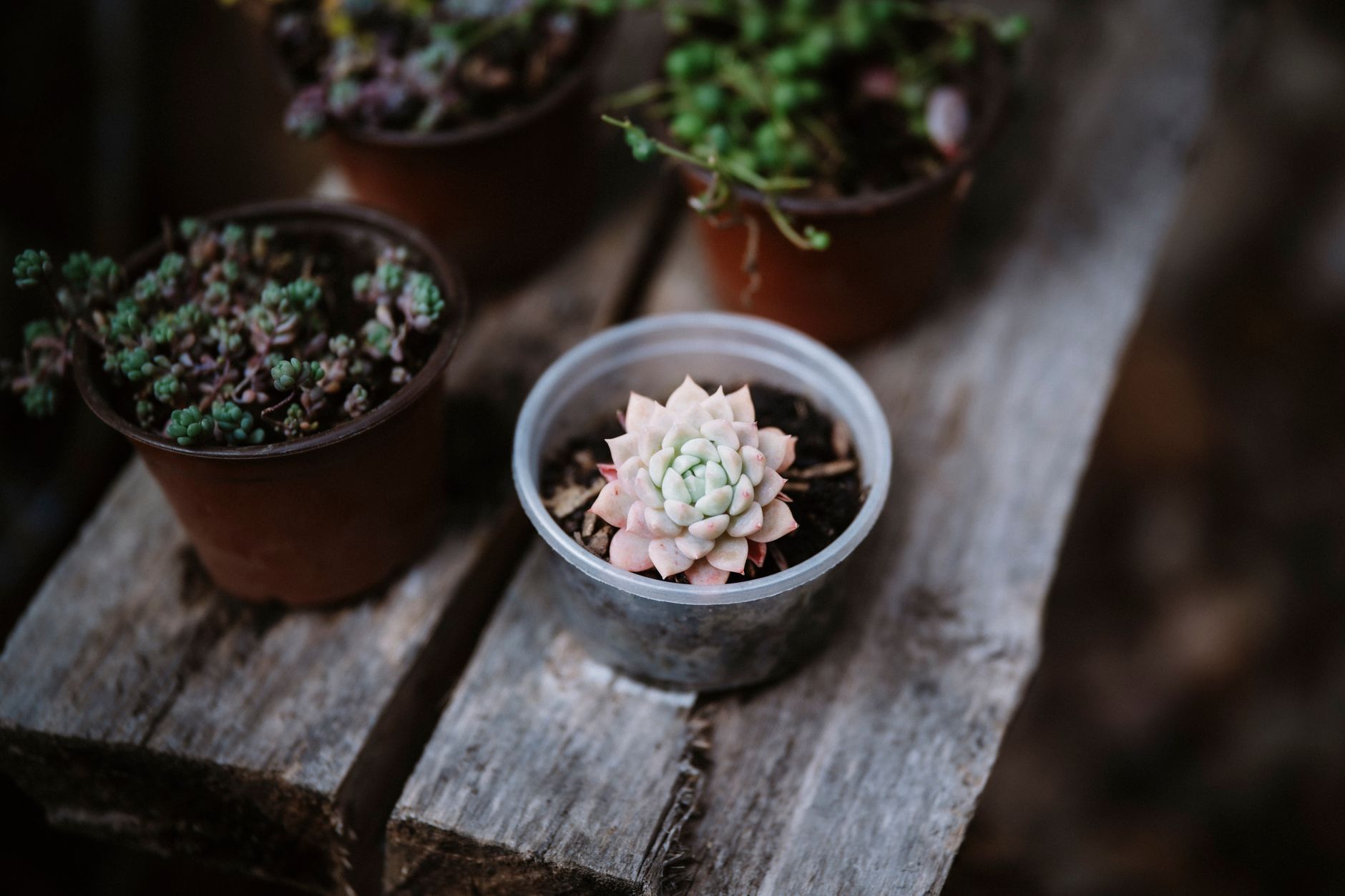
For the first few weeks while a leaf calluses and roots form, don’t water at all. Once tiny roots appear, mist the soil surface lightly every few days. When the mother leaf shrivels, water very sparingly. Many props fail from overwatering. A better method: once roots are visible, use a dropper to apply a few drops of water near the root zone without soaking the entire soil surface. After the prop is established, treat it like a small succulent—water less frequently than a full-sized plant.
Conclusion
Stop following a fixed schedule. Observe your plant’s leaves, feel the soil, and consider its environment. A terracotta pot in full sun needs water more often than a plastic pot in a dim corner. Trust your senses, check the soil, and water only when both tell you it’s time. Your succulents will thank you with strong roots and vibrant leaves. Remember that each plant is unique, and careful observation is the most reliable tool you have.
FAQ
How often do you water succulents indoors?
There’s no set number, but indoor succulents in typical home conditions often need water every 1–3 weeks. Always check that the top inch of soil is dry before watering. The exact frequency depends on factors like pot material, light exposure, and room temperature. A succulent next to a sunny window may need water every 5–7 days, while one on a shelf in a dim corner might go three weeks or more.
What does an overwatered succulent look like?
An overwatered succulent has soft, mushy, or translucent leaves that may turn yellow or brown. The leaves often fall off easily. The soil stays wet for over a week, and there may be a musty smell from root rot. The stem may also become soft or black. If you notice any of these signs, stop watering immediately and check the roots for rot.
Should I water succulents more in summer and less in winter?
Yes. Succulents grow actively in summer and need more frequent water. In winter, growth slows drastically, so they need much less. Many indoor succulents can go three to four weeks without water in winter. However, always check the soil and leaves before watering; some species may still need occasional water even in dormancy.
Can succulents recover from overwatering?
Yes, if caught early. Remove the plant from wet soil, trim any rotted roots, and repot in dry, well-draining soil. Wait at least a week before watering again. If rot has spread to the stem, cut above the rot and propagate the healthy part. Place the cutting in a dry area until the wound calluses, then root it in dry soil. Recovery may take several weeks, but many succulents can bounce back.
Did you find this post helpful?
A little support goes a long way in helping me create more free, in-depth content like this.