20 Types of Palm Trees: How to Identify and Choose the Right Palm for Your Climate
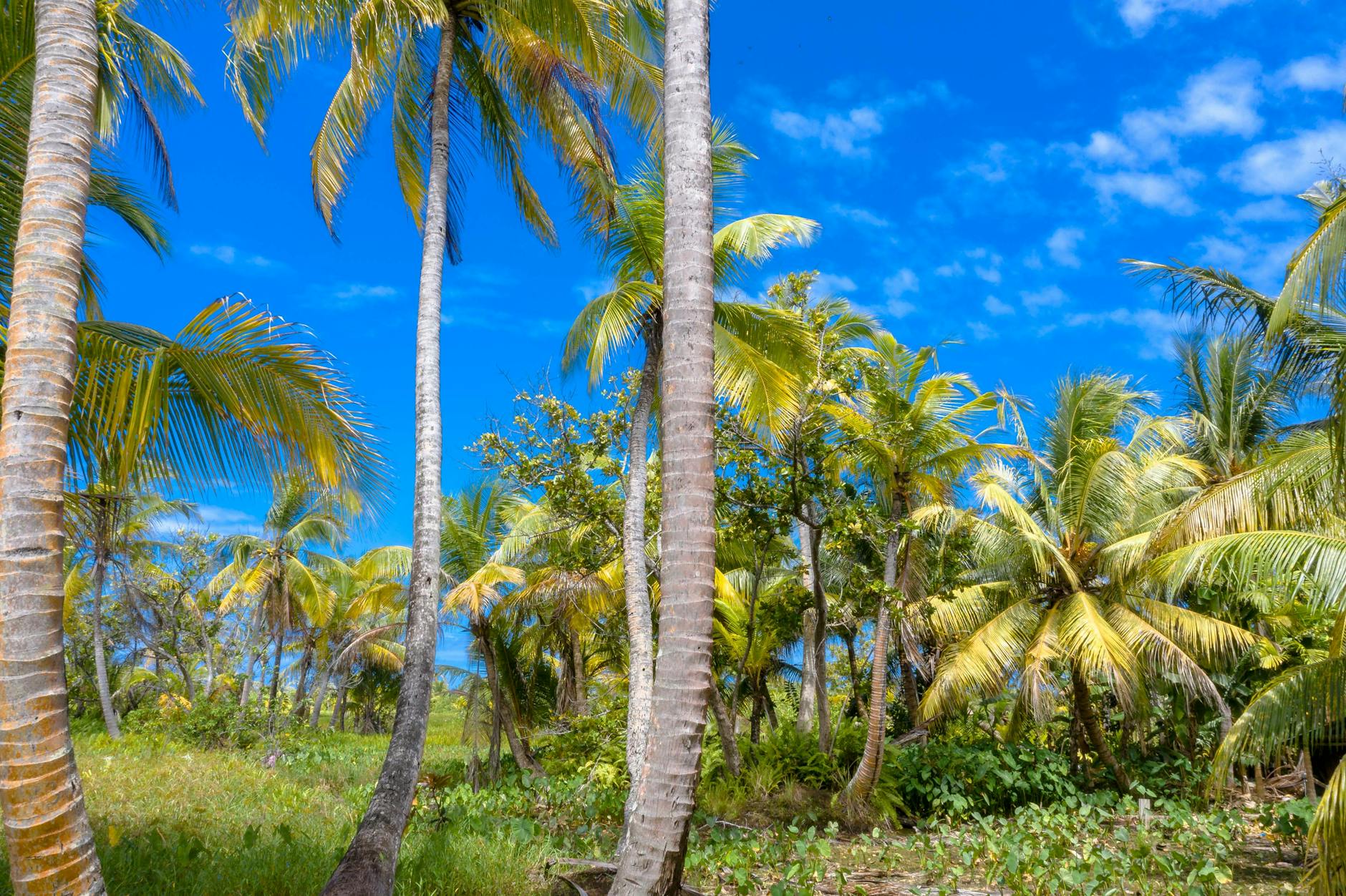
Choosing the wrong palm is easy: some grow 80 feet tall, some fail indoors, and some are sold as “cold-hardy” even though young plants still need protection. This guide helps you identify 20 common palm trees, compare them by climate and space, and avoid the mistakes that cause palms to outgrow yards or decline indoors.
Key Takeaways
- Identify by leaf shape first: Fan-shaped vs. feather-shaped leaves are usually the fastest first clue, but trunk form, mature size, and growing location help confirm the ID.
- Match mature size to your space: Landscape palms like Mexican Fan Palm can reach 80–100 feet; compact options like Pygmy Date Palm stay small. Always verify mature height before planting.
- Cold-hardy palms need care: Windmill Palm, Needle Palm, Dwarf Palmetto, European Fan Palm, and Pindo Palm tolerate frost, but young plants need winter protection and good drainage.
- Not all indoor palms thrive inside: Parlor Palm, Kentia Palm, and Lady Palm tolerate moderate light. Majesty Palm and Areca Palm need bright light and often decline in dim homes.
- Avoid common mistakes: Over-pruning green fronds weakens the tree. Buying a sun-loving palm for low light, ignoring cold hardiness ratings, and confusing similar species are frequent errors.
Palm Tree Chooser: Find the Right Type Fast
| If you want… | Best palm choices | Why they work | Watch out for |
|---|---|---|---|
| An easy indoor palm | Parlor Palm, Kentia Palm, Lady Palm | More tolerant of indoor conditions | Still need drainage and consistent care |
| A cold-hardy palm | Windmill Palm, Needle Palm, Dwarf Palmetto | Better frost tolerance than most palms | Young palms still need winter protection |
| A small yard or patio palm | Pygmy Date Palm, European Fan Palm, Bottle Palm | More compact than tall landscape palms | Check mature spread, not just height |
| A dramatic tropical landscape palm | Royal Palm, Queen Palm, Canary Island Date Palm | Strong visual impact | Need space and warm climates |
| A coastal palm | Cabbage Palm, Pindo Palm | Better suited to coastal stress | Salt tolerance varies by site |
20 Types of Palm Trees Compared
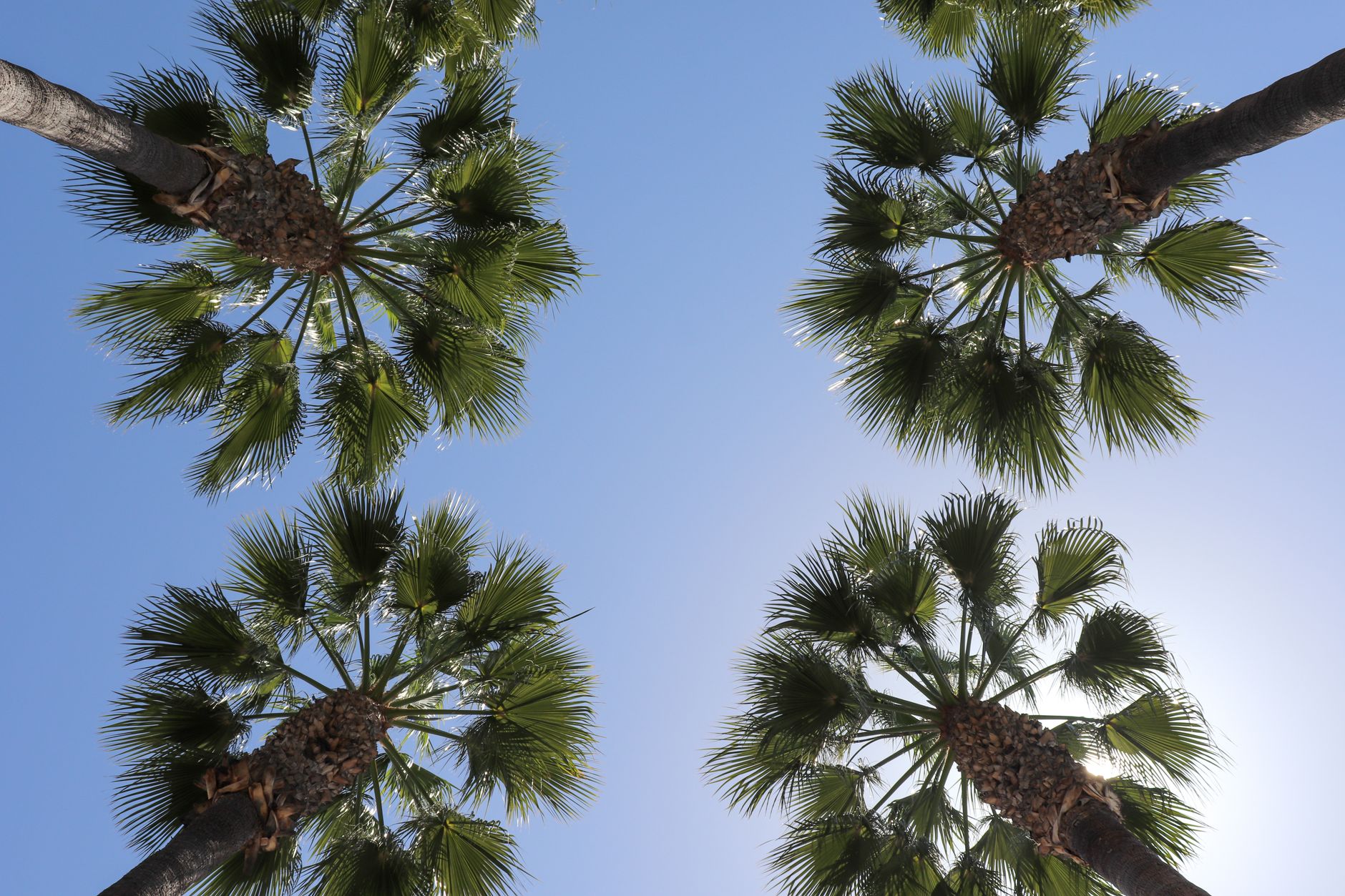
5 Tall Landscape Palms
Mexican Fan Palm (Washingtonia robusta) – fan leaves, 80–100 ft, zones 9–11. Fast-growing, but too tall for small yards and sheds heavy fronds. Narrow trunk prone to wind damage.
California Fan Palm (Washingtonia filifera) – fan leaves, 40–60 ft, thicker trunk, slower growth. Needs space for broad crown. Tolerates heat and drought. Dead fronds can be a fire hazard.
Canary Island Date Palm (Phoenix canariensis) – feather leaves, massive trunk, 50–80 ft, zone 9. Requires large space and is cold-sensitive. Trunk up to 3 ft diameter; needs regular pruning for heavy fruit clusters.
Queen Palm (Syagrus romanzoffiana) – feather leaves, 25–50 ft, warm frost-free areas. Struggles in cold or poorly drained sites; prone to potassium and manganese deficiencies. Fertilize with palm-specific micronutrients.
Royal Palm (Roystonea regia) – feather leaves, smooth gray trunk, 60–80 ft, frost-free tropical landscapes only. Requires high humidity and consistent moisture.
5 Cold-Hardy Palms
Windmill Palm (Trachycarpus fortunei) – fan leaves, single trunk, 10–25 ft, zones 7–10, survives to 5°F. Slow growth; needs protection in severe winters. Hairy trunk and deep green fronds are ornamental.
Needle Palm (Rhapidophyllum hystrix) – fan leaves, shrubby clumping habit, 3–5 ft, zone 6. Extremely cold-hardy but not tall. Sharp needles at frond bases make good barrier plant.
Dwarf Palmetto (Sabal minor) – fan leaves, often trunkless, 2–6 ft, zone 7. Good naturalistic option; spreads slowly by underground stems.
European Fan Palm (Chamaerops humilis) – fan leaves, clumping, 6–15 ft, zone 7. Compact and good for containers; tolerates partial shade and poor soil.
Pindo Palm (Butia capitata) – feather leaves, blue-green arching fronds, 10–20 ft, zone 8. Edible fruit used for jelly; needs well-drained soil.
5 Indoor Palms
Parlor Palm (Chamaedorea elegans) – fan leaves, 2–4 ft, best beginner indoor palm. Tolerates low light; keep soil lightly moist.
Areca Palm (Dypsis lutescens) – feather leaves, 5–8 ft, needs bright indirect light. Prone to brown tips and spider mites in dry air. Increase humidity with a humidifier, pebble tray, or grouping plants together instead of relying only on misting.
Kentia Palm (Howea forsteriana) – feather leaves, 5–10 ft, slow-growing and elegant. Tolerates lower light but expensive. Do not overwater.
Lady Palm (Rhapis excelsa) – fan leaves, clumping, 4–6 ft, good for interiors and shaded patios. Thrives in low light; needs consistent moisture.
Majesty Palm (Ravenea rivularis) – feather leaves, 5–10 ft, sold as indoor but needs bright light, high humidity; often declines in homes. Better as seasonal patio plant.
5 Small-Yard, Container, and Coastal Palms
Pygmy Date Palm (Phoenix roebelenii) – feather leaves, 6–12 ft, zones 9–11. Needs warmth and space for fronds; popular for entryways.
Bottle Palm (Hyophorbe lagenicaulis) – feather leaves, sculptural trunk, 10–15 ft, zones 10–11. Very cold-sensitive; unique bottle shape. Requires full sun and excellent drainage.
Christmas Palm (Adonidia merrillii) – feather leaves, 15–25 ft, frost-free areas. Produces red fruit clusters in winter. Needs protection from salt spray.
Chinese Fan Palm (Livistona chinensis) – fan leaves, 20–30 ft, container when young. Large drooping fan leaves with drooping tips. Repot every 2–3 years in containers.
Cabbage Palm (Sabal palmetto) – fan leaves, 30–50 ft, salt-tolerant native of southeastern US. Slow initial growth; trunk covered with old leaf bases. Tolerates coastal conditions and poor soils.
20 Palm Trees Compared at a Glance
| Palm Type | Fan/Feather | Mature Size | Cold Tolerance |
|---|---|---|---|
| Mexican Fan Palm | Fan | 80–100 ft | Medium |
| California Fan Palm | Fan | 40–60 ft | Medium |
| Canary Island Date Palm | Feather | 50–80 ft | Low |
| Queen Palm | Feather | 25–50 ft | Low |
| Royal Palm | Feather | 60–80 ft | Very low |
| Windmill Palm | Fan | 10–25 ft | High |
| Needle Palm | Fan | 3–5 ft | Very high |
| Dwarf Palmetto | Fan | 2–6 ft | High |
| European Fan Palm | Fan | 6–15 ft | High |
| Pindo Palm | Feather | 10–20 ft | Medium |
| Parlor Palm | Fan | 2–4 ft | N/A |
| Areca Palm | Feather | 5–8 ft | N/A |
| Kentia Palm | Feather | 5–10 ft | N/A |
| Lady Palm | Fan | 4–6 ft | N/A |
| Majesty Palm | Feather | 5–10 ft | N/A |
| Pygmy Date Palm | Feather | 6–12 ft | Low |
| Bottle Palm | Feather | 10–15 ft | Very low |
| Christmas Palm | Feather | 15–25 ft | Very low |
| Chinese Fan Palm | Fan | 20–30 ft | Medium |
| Cabbage Palm | Fan | 30–50 ft | Medium |
How to Identify a Palm Tree From Photos
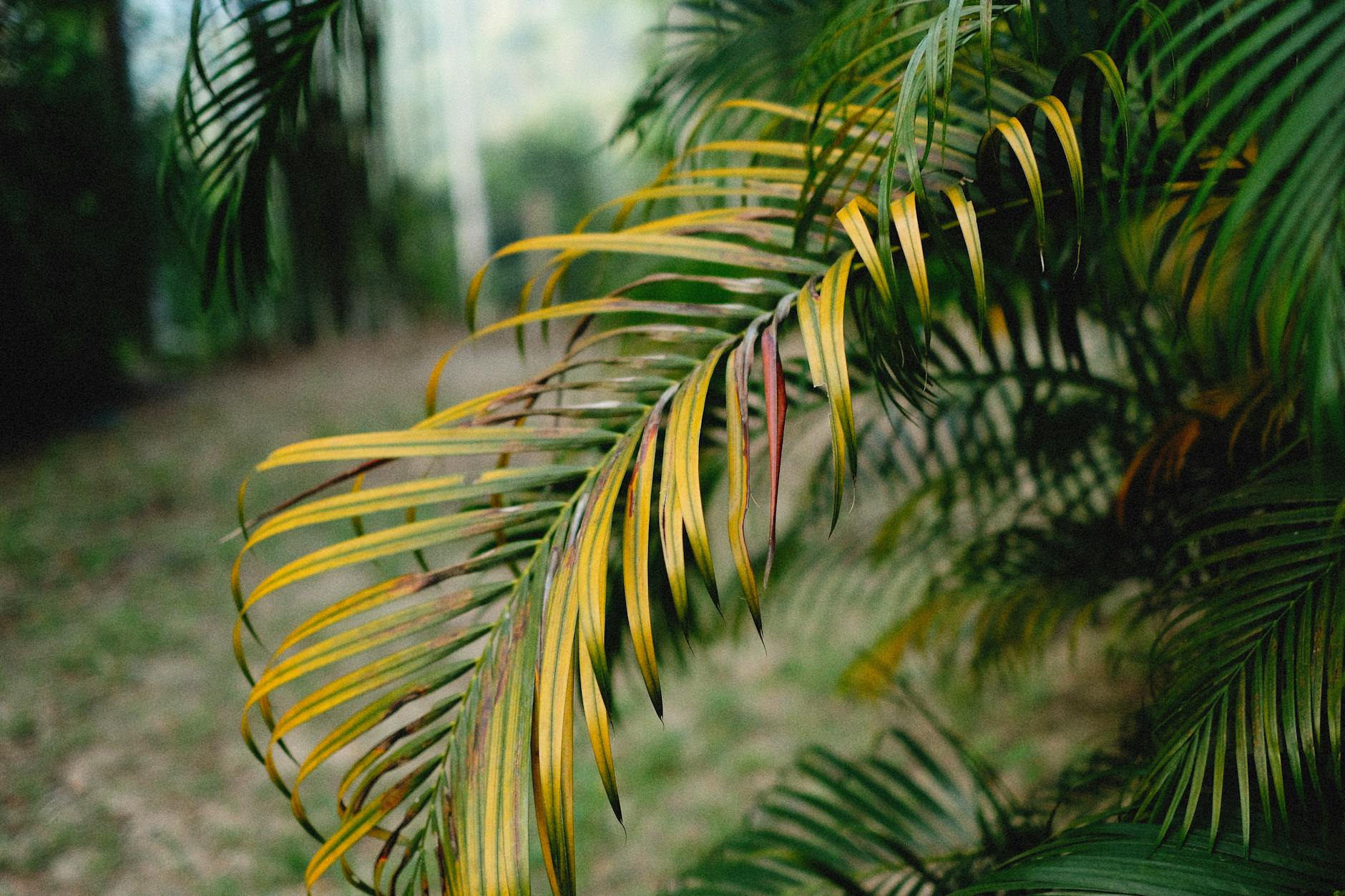
Start with Leaf Shape: Fan vs. Feather
Fan-shaped leaves (palmate) radiate from a single point – examples: Mexican Fan, Windmill, European Fan, Chinese Fan, Lady, Dwarf Palmetto. Feather-shaped leaves (pinnate) have leaflets along a central stem – examples: Queen, Royal, Canary Island Date, Pindo, Areca, Kentia, Pygmy Date, Bottle, Christmas.
Look at the Trunk: Smooth, Ringed, Fibrous, or Clumping
Smooth gray = Royal Palm; tall and skinny = Mexican Fan; thick heavy = Canary Island Date or California Fan; fibrous hairy = Windmill; clumping stems = Lady, Areca, European Fan.
Check Size, Climate, and Growing Location
A tall street palm in Southern California is likely Mexican or California Fan. An indoor tabletop palm is probably Parlor Palm. A cold-climate garden palm is almost certainly Windmill, Needle, Dwarf Palmetto, or European Fan.
Common Palm Look-Alikes
Sago Palm (cycad), Yucca, and Dracaena are not true palms. Sago has stiff, spine-tipped leaflets and needs different care. True palms have fan or feather leaves without a central spine. Yuccas have pointed sword-like leaves in rosettes; Dracaenas have long, strappy leaves often with colored margins.
Which Palm Tree Is Right for Your Climate?
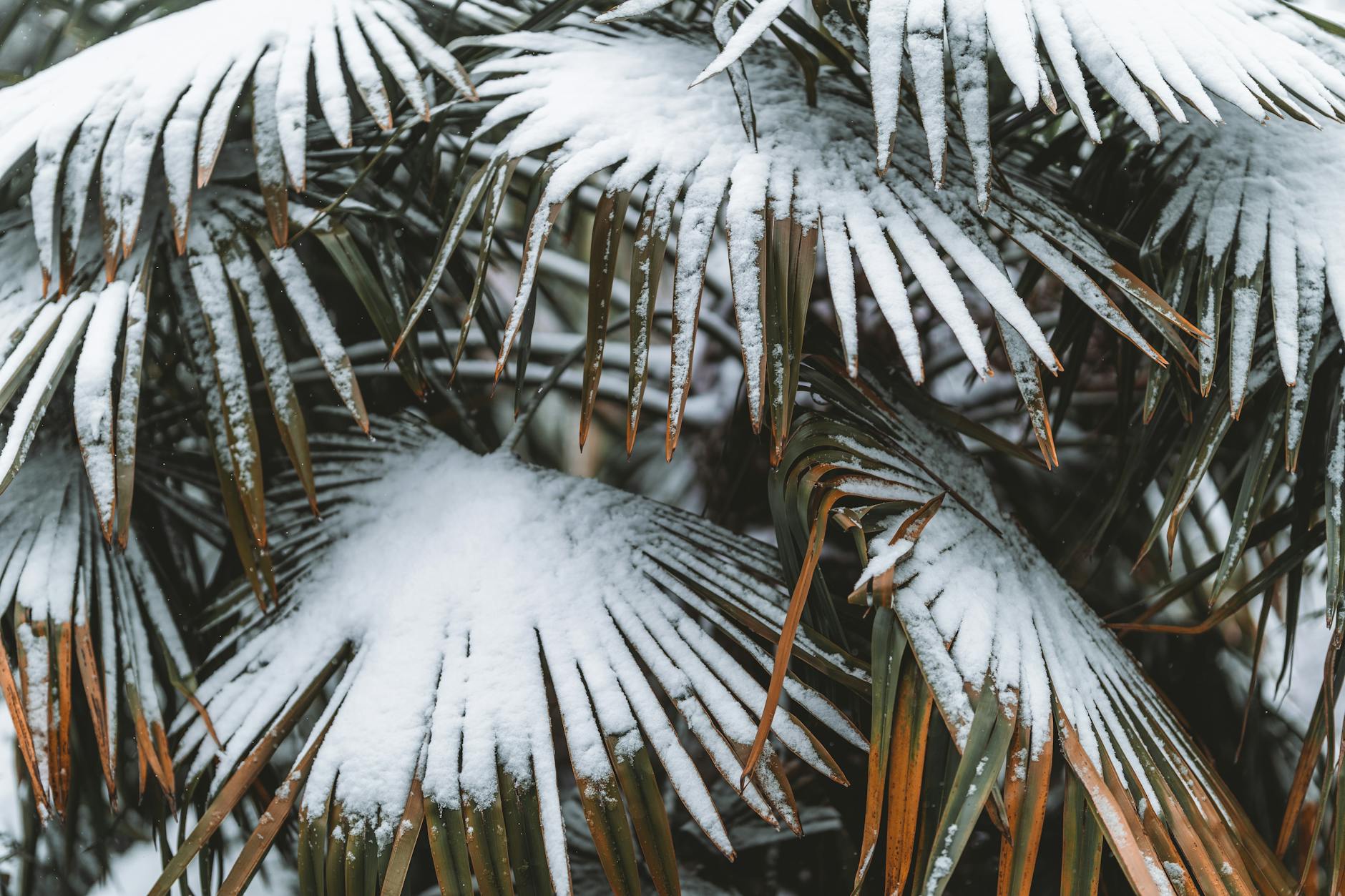
Cold climates: Choose Windmill, Needle, Dwarf Palmetto, European Fan, or Pindo. Even these need good drainage and protection when young. In colder areas, Needle Palm and Windmill Palm are often among the first palms gardeners consider, but survival depends on drainage, exposure, plant age, and winter protection.
Hot and dry landscapes: Mexican Fan, California Fan, Pindo, European Fan, and Canary Island Date handle heat once established. New palms need consistent watering.
Coastal areas: Cabbage Palm and Pindo are most salt-tolerant. Avoid Queen Palm near salt spray. European Fan and Windmill tolerate moderate salt exposure if sheltered.
Indoor low-light conditions: Parlor Palm is safest. Kentia and Lady Palm also work. Areca and Majesty need brighter light. For rooms with no natural light, use grow lights.
Palm Trees People Often Confuse
Mexican Fan vs. California Fan
Mexican Fan has slender trunk, faster growth, tighter crown. California Fan has thicker trunk, slower growth, often retains dead fronds.
Queen vs. Royal Palm
Queen has arching, drooping fronds and thinner trunk. Royal has smooth gray trunk and stiff upright fronds. Queen Palm is less formal and more commonly used in warm residential landscapes, while Royal Palm needs a more tropical, frost-free setting and much more vertical space.
Windmill vs. European Fan
Windmill is single-trunked and taller (10–25 ft). European Fan is clumping and shorter (6–15 ft). Windmill has hairy trunk; European Fan has smooth stems with sharp spines.
Areca vs. Kentia vs. Parlor
Areca (multiple stems, bright green, needs bright light). Kentia (single trunk, dark green, slower, lower light). Parlor (small, fan leaves, easiest for beginners).
Sago Palm vs. True Palms
Sago is a cycad with stiff, spine-tipped leaves. Sago Palm is a cycad, not a true palm, and it has different care and safety considerations, especially around pets. True palms have softer leaflets.
Common Mistakes When Choosing a Palm Tree
Choosing a palm that gets too tall: Mexican Fan, California Fan, Canary Island Date, and Royal Palm exceed 50 ft. Avoid near structures or power lines.
Buying an “indoor palm” that needs bright light: Majesty and Areca often fail indoors. Choose Parlor, Kentia, or Lady Palm instead.
Ignoring cold hardiness: Even cold-hardy palms need protection in extreme freezes. Wrap trunks and mulch roots in winter for young plants.
Over-pruning green fronds: Avoid removing green fronds, especially those growing horizontally or upward. Palms use green fronds for photosynthesis, and heavy pruning can stress the plant.
Confusing native vs. introduced palms: In California, only California Fan is native. In Florida, Cabbage Palm is native. Choose regionally appropriate species.
Palm Tree Care Problems Beginners Misread
Yellow leaves: One old yellow frond is normal. Widespread yellowing suggests overwatering, underwatering, nutrient deficiency, or low light. Check soil moisture first.
Brown fronds: Brown tips from dry air, salt buildup, cold, or sun scorch. Once fully brown, fronds won’t recover. Increase humidity for indoor palms or flush soil.
Cold damage: Water-soaked fronds turning brown after a freeze. Don’t prune until frost risk passes. Damaged fronds protect the growing tip.
Pests: Spider mites and scale common indoors; treat with insecticidal soap. Outdoors, watch for palm weevils and caterpillars.
Watering and fertilizer: Most palms need well-draining soil. Over-fertilizing causes tip burn. Use palm-specific fertilizer sparingly; apply slow-release in early spring and midsummer.
Conclusion
Choose your palm based on climate, space, and care conditions—not just looks. Use leaf shape, trunk, and size to identify species. Avoid over-pruning, ignoring cold hardiness, and buying sun-loving palms for low light. The right palm will thrive for years with proper watering, fertilizing, and seasonal protection.
FAQ
What is the difference between fan palms and feather palms?
Fan palms have broad, hand-like leaves split into segments (e.g., Windmill, Mexican Fan, European Fan). Feather palms have long fronds with leaflets along each side (e.g., Queen, Royal, Areca). Fan palms tend to be more cold-hardy; feather palms are more common in tropical settings.
Which palm tree is easiest to grow indoors?
Parlor Palm is easiest. It tolerates lower light and stays compact. Kentia and Lady Palm are good alternatives. Majesty and Areca are more demanding.
Can palm trees survive cold winters and frost?
Some palms tolerate cold: Windmill, Needle, Dwarf Palmetto, European Fan, and Pindo. Survival depends on age, drainage, wind, and freeze duration. Young plants need protection.
How often should I water my indoor palm?
Water when the top inch of soil feels dry. Overwatering is the most common cause of indoor palm decline. Use a pot with drainage holes; reduce watering in winter.
Did you find this post helpful?
A little support goes a long way in helping me create more free, in-depth content like this.