Sawfly Larvae on Plants: How to Identify Them and Stop the Damage
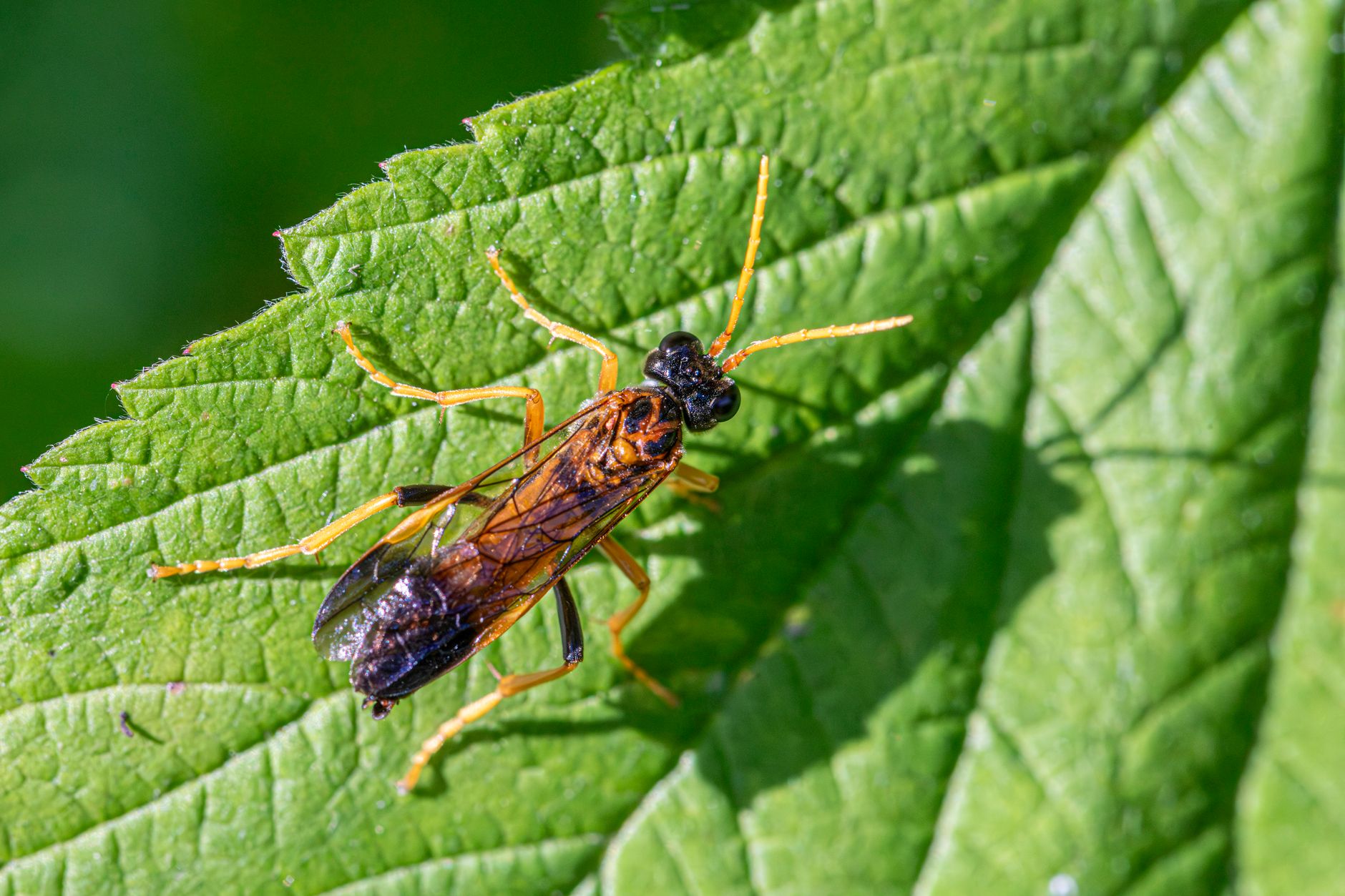
You find leaves scraped thin like windowpanes. Many gardeners mistake sawfly larvae for caterpillars, treat them with BT, and wonder why nothing works. This article explains how to identify sawfly damage, distinguish larvae from caterpillars, and control them effectively. Correct identification is critical—applying the wrong treatment wastes effort while larvae continue feeding. Sawflies are host-specific with narrow life cycles, so targeted monitoring and timely intervention keep damage minimal.
Key Takeaways
-
Count prolegs to confirm the pest: Sawfly larvae have six or more pairs of prolegs and lack crochets, while true caterpillars usually have fewer than six pairs with hook-like crochets. This physical difference is the most reliable way to distinguish them before choosing a treatment.
-
BT does not kill sawfly larvae: Bacillus thuringiensis (Btk) targets the gut receptors of moth and butterfly larvae only. Sawfly larvae belong to Hymenoptera, so BT has no effect on them. Spraying BT on sawflies wastes time and money while the larvae keep feeding.
-
Treat early and target young larvae: Young sawfly larvae are vulnerable to handpicking, water sprays, insecticidal soap, and horticultural oil. Mature larvae are harder to control and may already be preparing to drop off the plant and pupate in the soil.
-
Sawflies are host-specific: Many sawfly species are strongly associated with certain host plants. Rose sawflies are usually found on roses, gooseberry sawflies commonly attack gooseberries and currants, and pine sawflies feed on pine needles. Matching the pest to the host plant helps narrow the identification. Matching the larvae and damage pattern to the host plant confirms the species and focuses your monitoring efforts.
-
Break the life cycle to reduce next season’s problem: Sawfly larvae pupate in soil or leaf litter near the host plant. Removing plant debris and monitoring early in spring can reduce overwintering populations and prevent year-after-year recurrences.
What Sawfly Damage Looks Like on Plants
Skeletonized or Windowpane Leaves
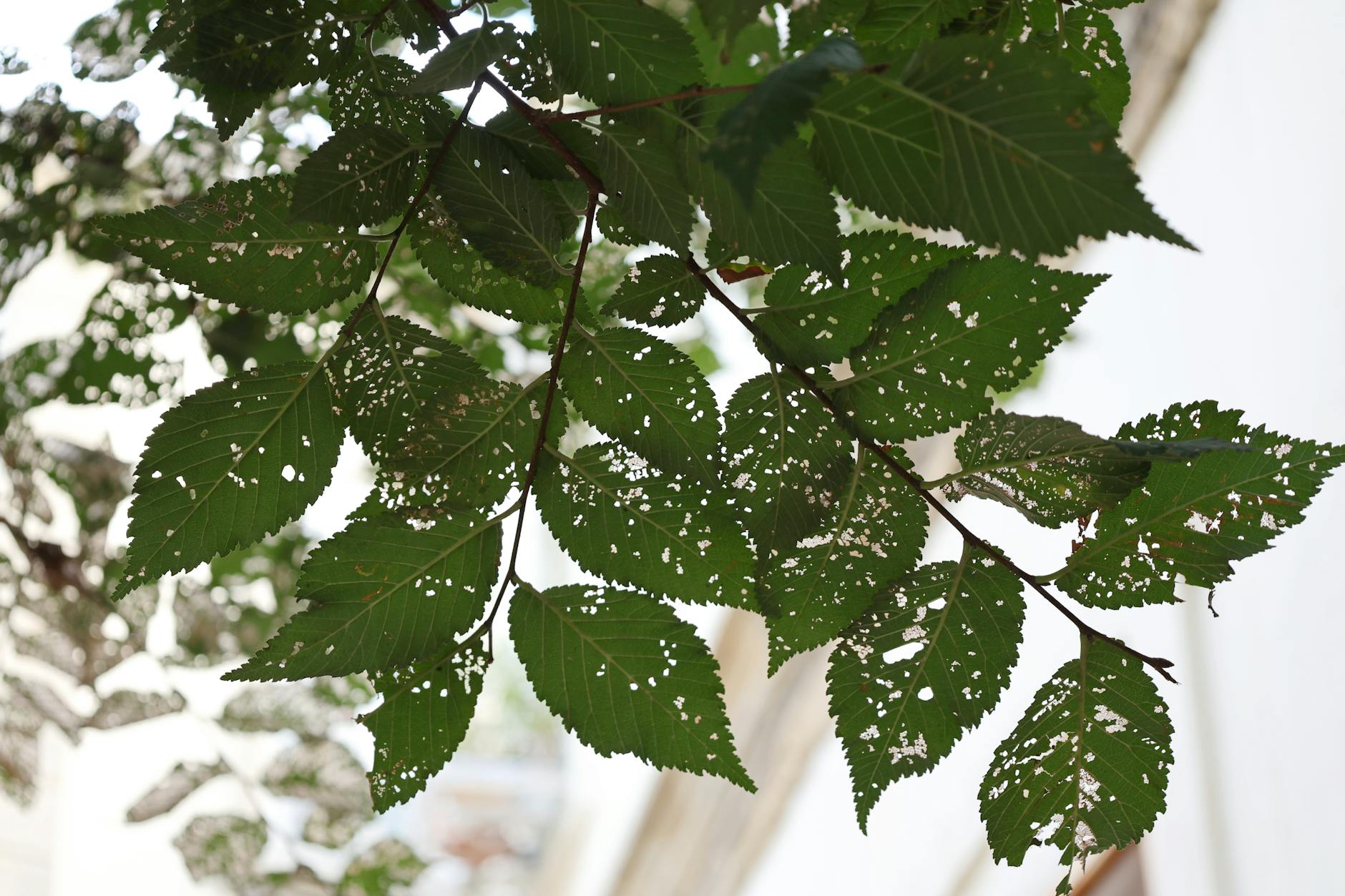
Sawfly larvae scrape soft green tissue between leaf veins, leaving a thin, translucent layer. Unlike caterpillars that chew clean edges, sawflies leave veins intact, creating a lace-like look. Hold the leaf to light—transparent patches indicate sawfly activity. Damage often begins on older leaves near the bottom and moves upward. On gooseberries, skeletonized leaves may turn brown and crisp quickly.
Groups of Green, Slug-Like Larvae on Leaf Undersides
Larvae often feed in groups on leaf undersides, new growth, and branch tips. Many are pale green and blend in. Check undersides regularly—young larvae are far easier to control. A growing colony can defoliate sections of a plant quickly, especially on currants, gooseberries, or young shrubs. Use a flashlight to spot them on roses and currants. Heavy infestations also leave small black or orange frass on leaves below.
Defoliation That Appears Suddenly
Because they feed in groups and grow quickly, larvae can strip a plant in days. Sudden defoliation is common on currants, gooseberries, roses, elm, and willow. Act at first sight, as mature larvae may soon drop off. Conifers like pines can turn brown rapidly from tips inward when sawfly larvae feed on needles; On conifers, heavy needle feeding can look especially severe because damaged needles do not recover the way broadleaf foliage can. Young or repeatedly defoliated conifers are more vulnerable than established plants.
Will Sawfly Damage Kill the Plant?
Light infestations are cosmetic on healthy plants. Heavy defoliation can weaken young, stressed, or repeatedly attacked plants. Conifers and small shrubs are more vulnerable. Repeated severe attacks over years reduce vigor and increase disease susceptibility. On fruit bushes, defoliation during fruit development can reduce yield.
Sawfly Larvae vs. Caterpillars: How to Tell the Difference
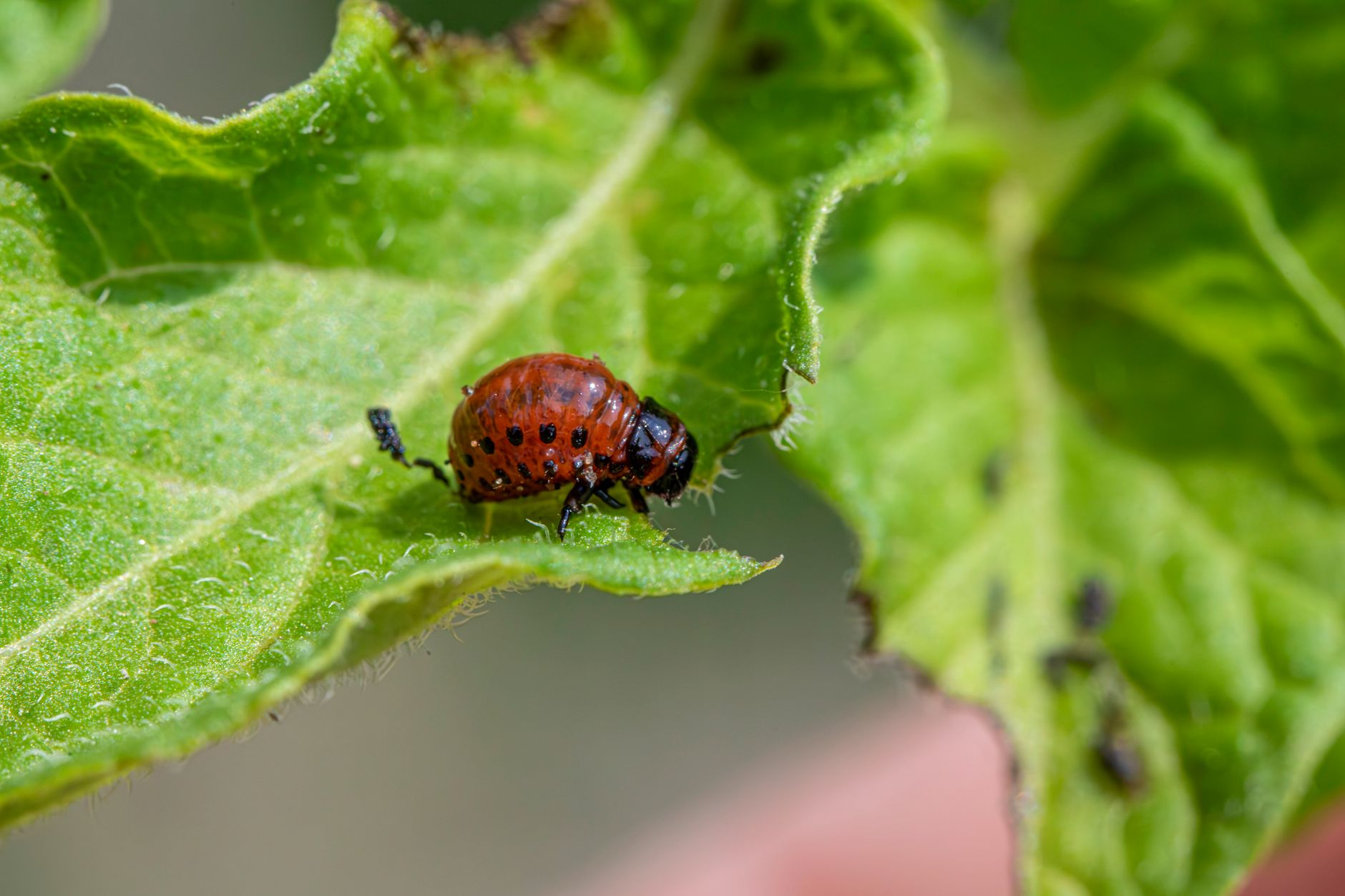
Sawfly larvae belong to Hymenoptera (ants, bees, wasps); caterpillars are Lepidoptera (moths, butterflies). This determines which controls work.
| Feature | Sawfly Larvae | Caterpillars |
|---|---|---|
| Insect group | Related to wasps (Hymenoptera) | Moth/butterfly larvae (Lepidoptera) |
| Prolegs | Usually 6 or more pairs | Usually fewer than 6 pairs |
| Crochets/hooks | Absent | Present |
| Behavior | May curl into an S-shape when disturbed | Usually does not show the same posture |
| BT treatment | Does not work | Often works on true caterpillars |
Counting prolegs is the most reliable method. Sawfly larvae have six or more pairs and lack crochets; caterpillars have fewer than six pairs with hooks. Sawfly larvae often curl into an S-shape when disturbed and tend to be uniform in color. Use a magnifying glass to confirm. The host plant is also a strong clue—green larvae on roses, currants, or gooseberries are a strong clue, but still confirm with proleg count and feeding pattern before choosing treatment.
Why BT Doesn’t Work on Sawfly Larvae

BT (Bacillus thuringiensis var. kurstaki) targets the gut of moth and butterfly larvae. BT products such as Btk are designed for true caterpillars—the larvae of moths and butterflies. Sawfly larvae look similar, but they belong to a different insect group, Hymenoptera, so Btk does not control them. If a “caterpillar spray” failed on your plants, check whether the larvae are actually sawflies before spraying again. Spraying BT on sawflies is harmless. If you used BT with no effect, you were likely dealing with sawflies. Many commercial products labeled for “caterpillars” rely on BT, so always check the active ingredient. Switching to the correct treatment as soon as identification is confirmed stops the damage fast.
Common Sawfly Species and the Plants They Attack
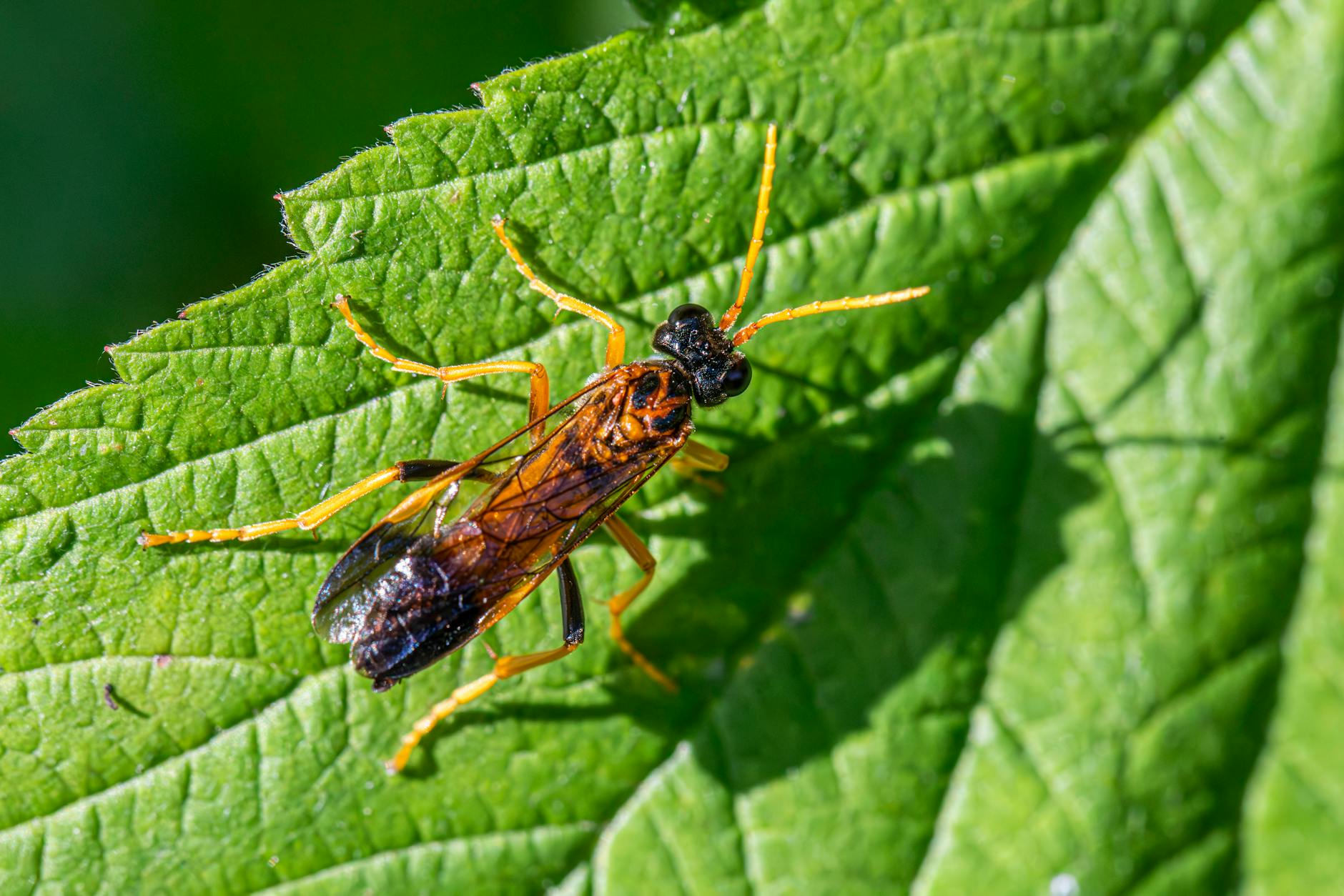
Most sawflies are host-specific, so knowing the species helps predict damage and timing. Timing varies by region and weather, so use the host plant and fresh feeding damage as your main clues rather than relying only on calendar dates.
Rose Sawfly / Rose Slug
Small, pale green, slug-like larvae feed on the underside of rose leaves, creating a windowpane pattern in spring and early summer. Damage is usually cosmetic. Check undersides regularly; treat early. A second generation can appear in late summer.
Gooseberry and Currant Sawfly
Attacks gooseberries, red currants, and white currants. Green larvae with black spots feed in groups and can strip a bush in days. Monitor leaf undersides from late spring; a strong water spray or handpicking prevents major damage. Infestations often begin on lower branches close to the ground.
Pine Sawfly
Feeds on pine and other conifers. Grayish or green larvae with dark stripes group on needles, starting at tips. Heavy infestations can kill branches or young trees. On small ornamentals, handpicking or targeted sprays may be practical. For larger trees or repeated infestations, consider local extension guidance or a certified arborist, because full coverage can be difficult and treatment choice depends on species and tree size. Repeated defoliation over two seasons can cause permanent damage.
Hibiscus, Elm, and Other Host-Specific Sawflies
The elm zigzag sawfly creates a zigzag mine pattern. Other species attack hibiscus, willow, oak, and birch. The host plant is a strong clue. Most sawflies have one or two generations per year, so timing treatment to the first generation is critical. Always note the host plant when identifying larvae.
How to Get Rid of Sawfly Larvae Step by Step
Step 1: Confirm They Are Sawfly Larvae
Count prolegs (six or more pairs, no crochets). Check if BT failed. Look at host plant and feeding pattern (skeletonized leaves, group feeding). Gently poke the larva—if it curls into an S-shape, that’s another clue. Confirmation avoids wasted effort.
Step 2: Remove Small Infestations by Hand or Water Spray
Handpick larvae into soapy water. Use a strong water spray to knock them off. For roses, a sharp blast from a hose on leaf undersides dislodges many larvae. Handpicking is most effective in early morning when larvae are sluggish.
Step 3: Treat Young Larvae Early
Insecticidal soap or horticultural oil kills larvae on contact. Spray leaf undersides thoroughly; repeat every few days as needed. Young larvae are most vulnerable. Evening spraying reduces leaf burn. Neem-based products may help in some cases when they contact young larvae, but results vary. Follow the product label, test a small area first, and avoid spraying stressed plants or during hot sun.
Step 4: Use Stronger Options Only When Needed
For heavy infestations, use spinosad or neem oil. Follow label instructions, avoid spraying during bloom, and spot-treat. Spinosad may be effective where the product label includes sawfly larvae, but it can affect pollinators if misused. Avoid spraying open flowers, and apply only when bees are not active, such as evening, while following the label exactly. Spray early morning or evening to minimize impact on bees. Avoid routine systemic insecticides for minor sawfly problems, especially on flowering plants, because they may create unnecessary risk to pollinators and beneficial insects. Reserve stronger products for severe cases and follow local extension guidance.
Step 5: Reduce Next Season’s Infestation
Remove fallen leaves and heavily infested debris where appropriate. Monitor the same host plants early next season. For species that pupate in soil or litter, gentle cleanup around the plant base may reduce overwintering sites, but avoid deep cultivation that damages roots.
The Sawfly Life Cycle and the Best Time to Treat
Eggs Hidden in Leaves or Stems
Female sawflies insert eggs into plant tissue using a saw-like ovipositor. Eggs are nearly invisible; damage appears after hatching. Start monitoring when the host plant produces new tender growth or when you first notice fresh feeding damage. Look for small swellings or discolored spots on stems and leaf midribs.
Larvae Cause Most of the Damage
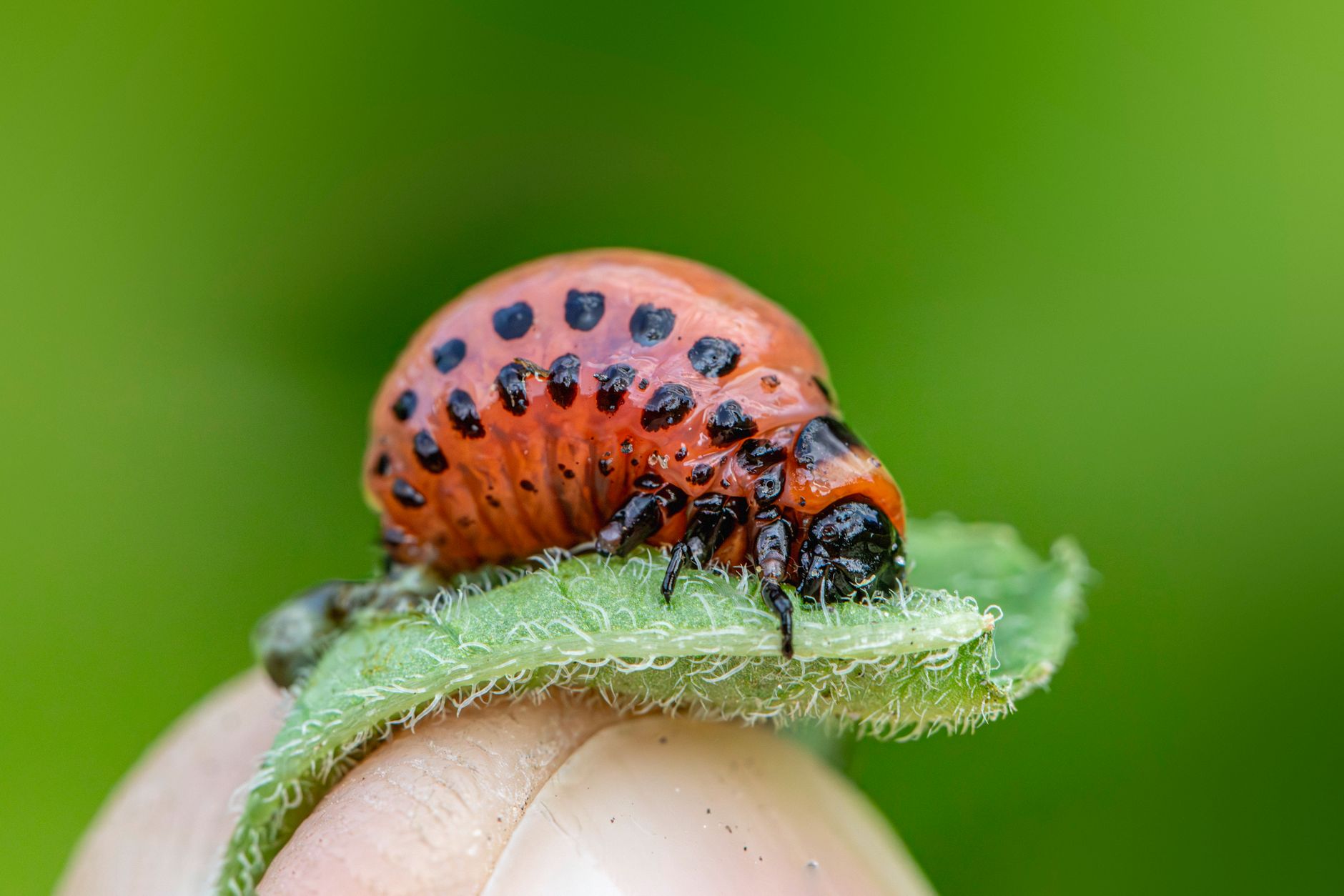
The larval stage is the feeding stage. Treat when larvae are small—first two instars are only a few millimeters and feed on the surface, making them easy to remove with soap or oil. The best treatment window is early in the larval stage, before larvae are large or ready to drop from the plant.
Pupation in Soil or Protected Places
Fully grown larvae drop to the ground and pupate in soil or leaf litter. Spraying after they leave the plant is pointless. Light cultivation in late summer can expose pupae. Some species pupate in bark crevices or under mulch. Placing a barrier fabric under the plant can trap dropping larvae.
Adults Are Wasp-Like but Usually Not Dangerous
Adult sawflies look like small wasps but do not feed on leaves. The “saw” is the female’s egg-laying organ, not a stinger. Adults are harmless and short-lived. If you see multiple adults, expect eggs soon and begin monitoring for larvae within a week.
Common Sawfly Myths and Mistakes
Mistake 1: Treating Sawflies Like Caterpillars
BT and other caterpillar-specific products will not kill sawflies. Confirm identification first. Always count prolegs before choosing a treatment.
Mistake 2: Spraying After the Larvae Are Gone
Once larvae have dropped to pupate, spraying empty leaves is ineffective. Treat only when larvae are actively feeding. Check for frass and fresh damage.
Mistake 3: Fearing Adult Sawflies
Adult sawflies cannot sting. The long “stinger” is an ovipositor. Adults are not the leaf-feeding stage and generally do not sting people. Focus on the larvae.
Mistake 4: Ignoring the Host Plant
Sawflies are host-specific. Learn which species target your plants to monitor the right ones at the right time. A sawfly species found on roses is usually not the same species damaging gooseberries or pines, so host plant context matters. Keep a garden journal to predict future outbreaks.
Conclusion
Sawfly larvae are manageable with correct identification. Count prolegs, examine feeding patterns, and note the host plant. Handpicking, water sprays, insecticidal soap, or spinosad work when matched to infestation stage. Avoid BT, and do not spray after larvae have left to pupate. Early detection and proper treatment protect your plants and reduce future recurrences.
FAQ
Why doesn’t BT work on sawfly larvae?
BT binds to specific receptors in the gut of moth and butterfly larvae (Lepidoptera). Sawfly larvae belong to Hymenoptera, whose digestive systems lack those receptors. Even high-concentration BT sprays have no effect.
Do sawflies sting humans?they areDiatomaceous earth around the plant base can kill larvae as they drop to pupate.
No. Adult sawflies have an ovipositor for laying eggs, not a stinger. They are primitive wasps that cannot sting. The long “stinger” on some species is harmless.
How can I get rid of sawfly larvae naturally?
Handpicking into soapy water works for small infestations. A strong water spray knocks larvae off. Insecticidal soap and neem oil kill on contact. Treat young larvae for best results. Handpicking, a strong water spray, and careful use of insecticidal soap or horticultural oil on young exposed larvae are better first-line options.
Are sawflies good or bad for the garden?
Most sawflies are pests because larvae feed on ornamentals, fruit bushes, and trees. However, they serve as food for birds and beneficial insects. Manage pest populations rather than eliminate entirely. Minor damage is often best tolerated.
Did you find this post helpful?
A little support goes a long way in helping me create more free, in-depth content like this.